
Energy Systems & Infrastructure
Positioning Malaysia as Green Energy Hub
Heading back to Malaysia today after a rather hectic week in London.
Between seminars, meetings, stakeholder engagements and pitching, there was hardly much time to pause. But one theme kept coming back to me throughout the week.
Malaysia has an opportunity to position itself as a regional green energy hub.
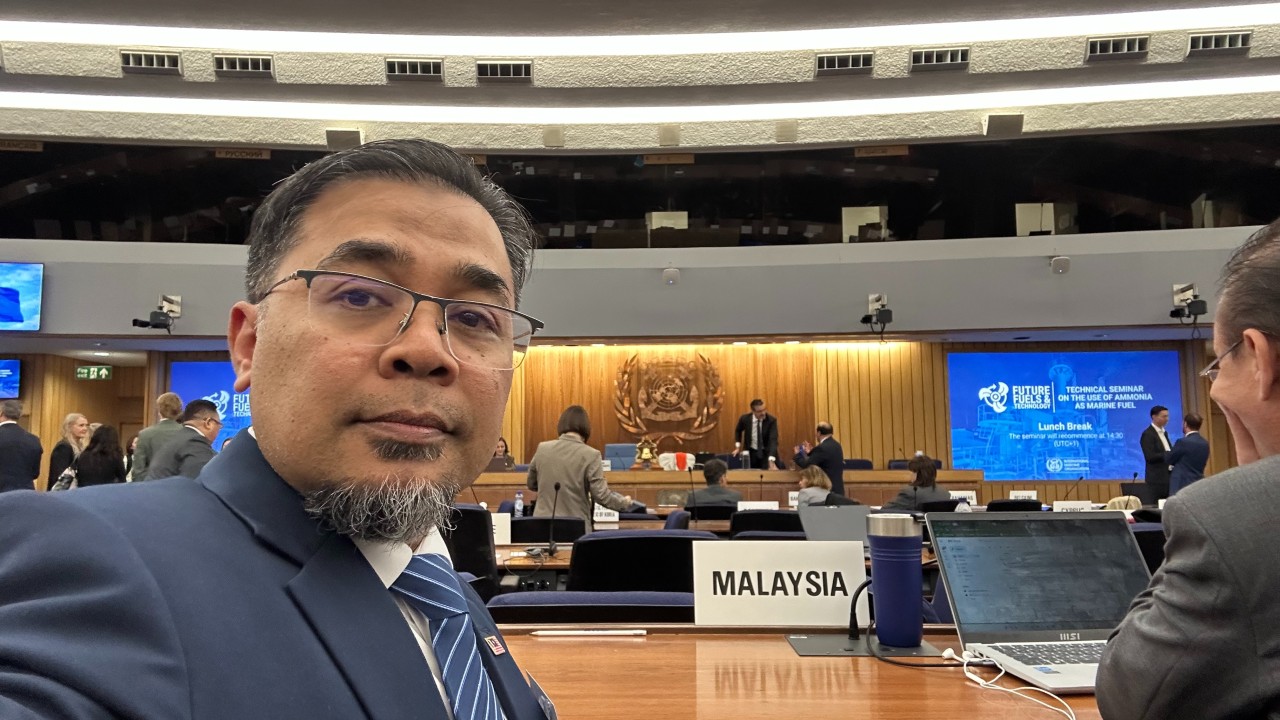
Green ammonia is one of the areas worth watching closely.
The interest is understandable. Shipping is looking for lower-carbon fuel pathways, engine technology is progressing, and Malaysia has several advantages of our own: renewable energy potential, existing industrial capabilities, established ports and, importantly, our location along the Strait of Malacca, one of the world’s busiest shipping corridors.
But this week also reinforced something I have written about before. Energy transition is rarely about one technology or one project. For green ammonia to become a real business, many pieces have to work together.
We need to validate demand with shipowners, ports and potential offtakers. We need to validate the technology, including production, storage, transportation, bunkering and safety. And finally, we need to validate the economics.
Can the fuel be produced and delivered at a price the market can accept? Can projects secure credible long-term demand? Can infrastructure be developed without creating stranded capacity?
These questions cannot be answered by one company, one state or one ministry alone.
Energy producers, technology providers, ports, shipowners, regulators, investors, universities and government agencies all hold different pieces of the puzzle.
That is why the discussions in London were useful.
Beyond contributing Malaysia’s perspectives at the IMO meetings, the real value was the opportunity to listen, receive feedback and better understand how the international maritime community is thinking about future fuels.
Sometimes a pitch tells us what people like. More importantly, the questions after the pitch tell us what still needs to be solved. I come home encouraged, but also reminded that there is still a lot of work ahead.
Malaysia does not need to claim that we already have all the answers. But we should make sure we are participating early, building the right partnerships and aligning our capabilities before the market matures.
Our geography gives us an advantage. Our resources give us possibilities.
The real task now is connecting demand, technology, infrastructure and capital into something commercially viable.
If we can do that well, Malaysia could have a meaningful role in supplying the next generation of maritime energy to this region and beyond.
A special thank you to H.E. Dato’ Indera Dr. Azfar Mohamad Mustafar, High Commissioner of Malaysia to the United Kingdom, Ts. Dr. Julyus Melvin Mobilik, Maritime Attaché and Alternate Permanent Representative to the IMO, and the entire Malaysian High Commission team in London for the support, perspectives and warm hospitality throughout the week.
A productive week in London. Now back to work.
Working Through a Similar Question?
Energy Systems Advisory helps leaders see the supply, demand and infrastructure dependencies behind a decision, and where the risk sits.
Newsletter
Get New Insights by Email
Analysis of gas markets, energy systems and strategy, sent when a new article is published.
Or subscribe directly on Substack.