
Energy Systems & Infrastructure
The Other Control Room Behind the Light
In my earlier articles, I wrote about GFA, post-GFA, and gas-fired power plants, and about the pipeline behind the power.
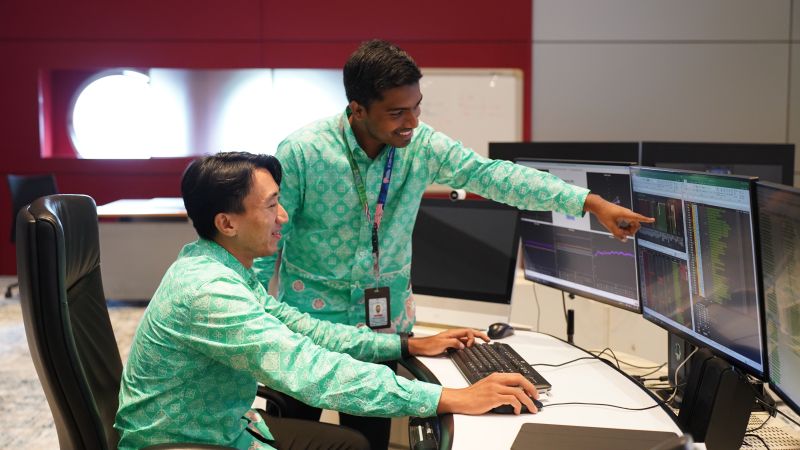
There is another important part of the story: the electricity dispatch room.
Many of us knew it as the National Load Dispatch Centre (NLDC). Today, its function is carried out by the Grid System Operator (GSO). If PGCC watches the gas system, GSO watches the power system.
Why PGCC and NLDC Stayed in Close Communication
When I started my career as a Gas Control Engineer at PETRONAS Gas Control Centre (PGCC) in Segamat, PGCC and NLDC were always in close communication. That relationship mattered.
Gas and electricity do not operate in isolation. When electricity demand rises, power plants generate more electricity. When gas-fired plants generate, they need more gas. When gas demand changes, the transmission system responds. And when gas supply faces constraints, the power system must know.
This quiet coordination keeps the nation stable.
I still remember visiting NLDC more than 20 years ago. I was humbled by the technology they already had. The monitoring systems, operational discipline and speed of decision-making gave me a deeper appreciation of what it takes to keep the grid stable. Even their nationwide lightning-tracking system fascinated me. I can only imagine how much more advanced it is today.
The Light Comes On
The public sees only one thing: the light comes on.
Behind that simple act are people monitoring demand, generation, gas pressure, pipeline flow, plant availability, system frequency, fuel readiness and network constraints.
There were times when the system came under stress. In those moments, both control rooms understood the priority. Commercial considerations were set aside. System security came first. The country came first.
There was an unspoken gentleman's understanding: solve the system problem first, settle the commercial details later. That trust cannot be fully written into a contract. It is built through years of professionalism, coordination and mutual respect.
GSO manages the grid safely, reliably and economically through real-time dispatch and coordination with industry participants. This is where gas-to-power becomes very real. That is why communication between PGCC and GSO is so critical.
Respecting Control Room Reality
During the GFA era, the framework helped align gas supply with power-sector planning and dispatch. In the post-GFA era, coordination becomes even more important. Malaysia is moving into a more complex energy landscape. Contracts alone are no longer enough. The real test is whether the system performs under real operating conditions.
Post-GFA design must therefore respect control room reality. System reliability is protected there every hour, every minute and, in GSO's case, even down to milliseconds.
Energy security is not only about fuel. It is about coordination.
The public has one simple expectation: when they switch on the light, it comes on. Behind that expectation, an entire system must work together.